HEAVYRESCUEROTATORS
75-ton boom. 360° continuous rotation. Certified operators on-scene in under 45 minutes — anywhere on the interstate network.
Four Phases.
Zero Comparison.
Every scroll frame below is a real recovery stage. Watch the gap between a heavy rescue specialist and a general tow shop widen with every frame.

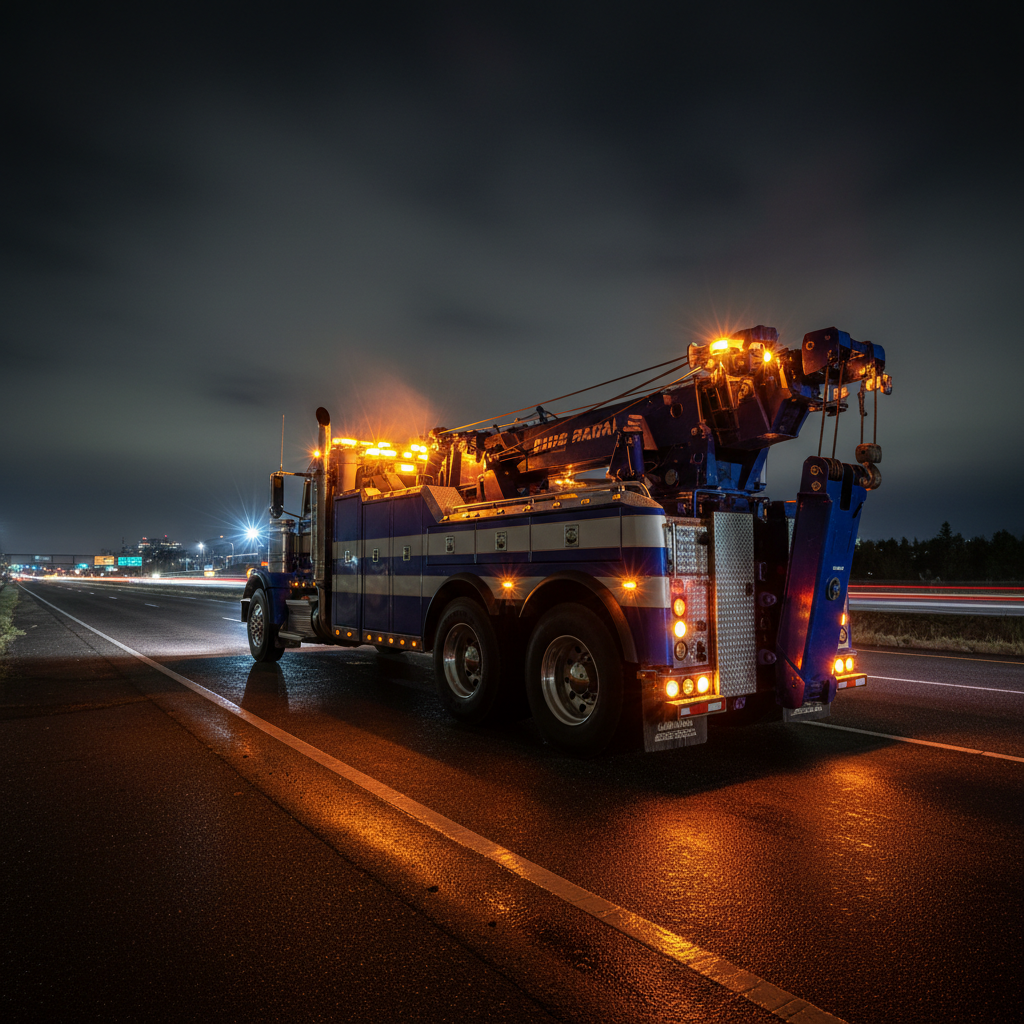
Strobes Through the Fog
Our GPS-tracked rotators are pre-positioned along major interstate corridors. The moment dispatch confirms, the nearest unit rolls — no waiting for a driver to wake up, no subcontracting.
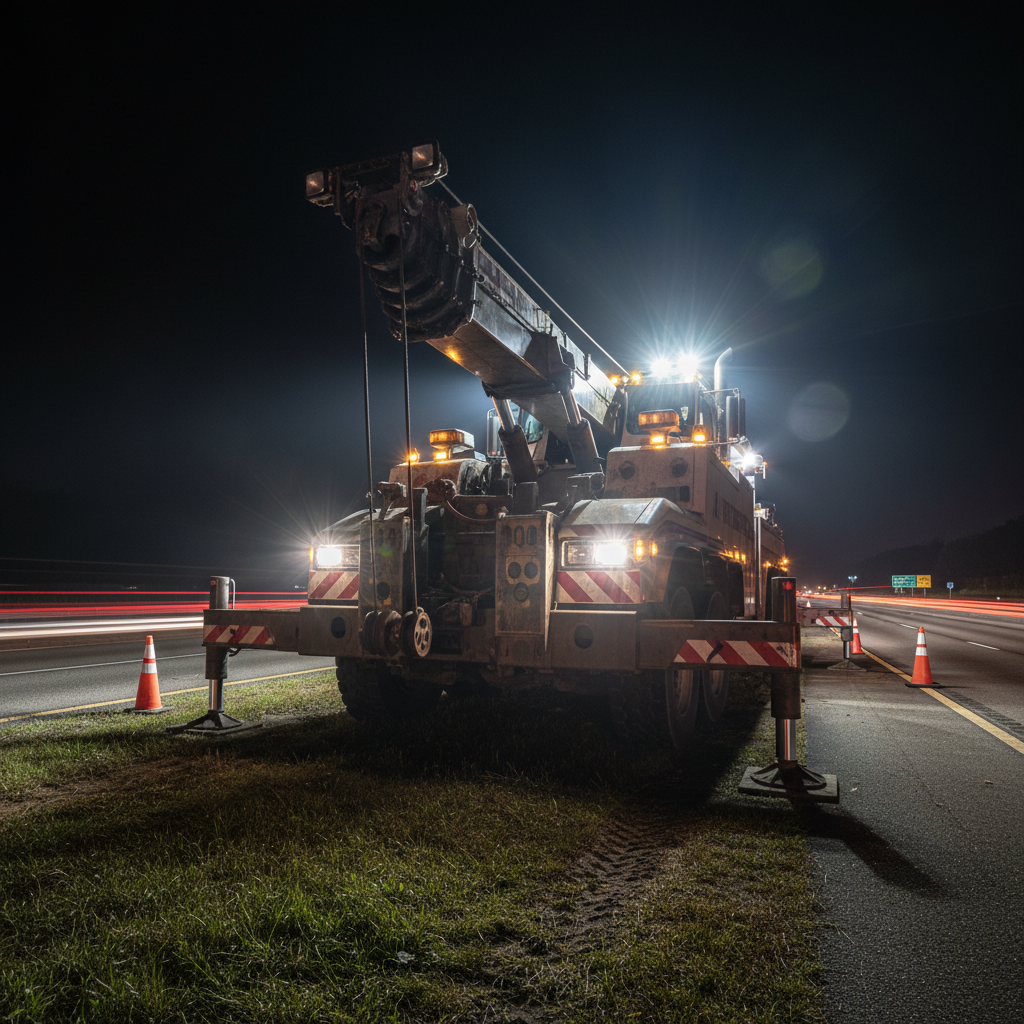
Outriggers Down, Ground Loaded
A 75-ton rotator demands engineered ground contact. Our operators carry outrigger pads rated for saturated median soil and complete a full load-path assessment before the boom moves an inch.
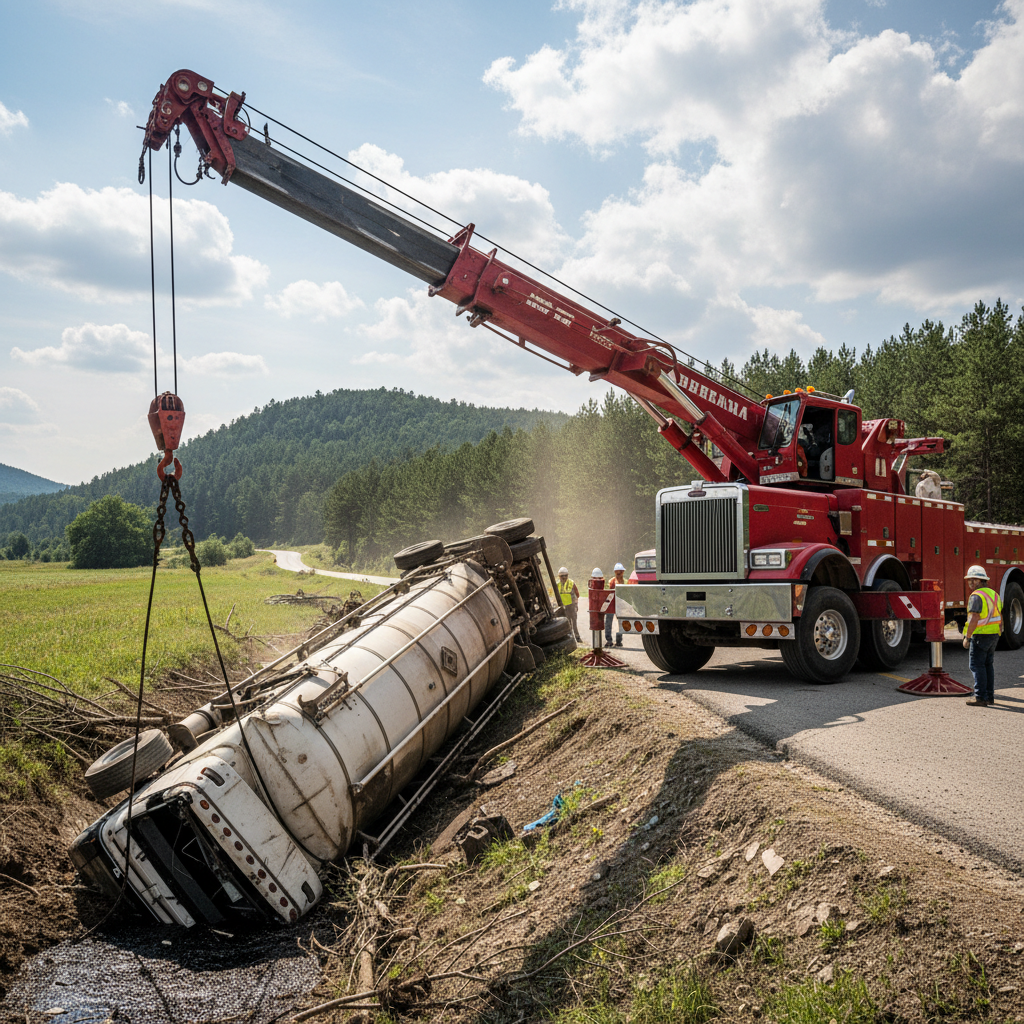
Cables Taut, Load Rising
The boom extends, snatch blocks multiply mechanical advantage, and the load comes up controlled — not dragged, not rolled, not damaged. Every lift is logged with load cell data.

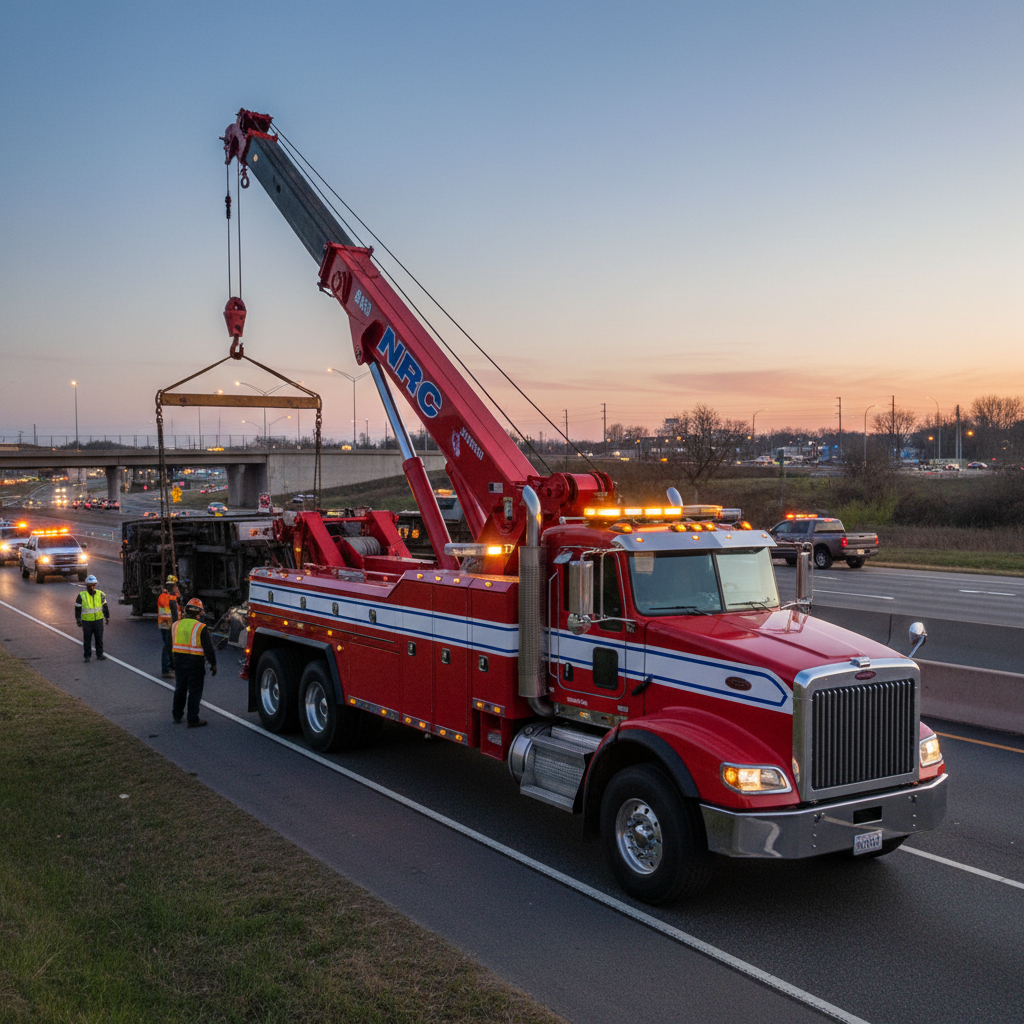
Lane Reopened, Load Secured
The vehicle is righted, inspected, and either self-driven or loaded to a lowboy. The scene is swept, traffic breaks. We don't leave until the highway patrol signs off.
Purpose-Built.
Not Repurposed.
Every unit in our fleet was spec'd for heavy interstate recovery — not adapted from a light wrecker, not borrowed from a yard.
NRC 65-Ton Rotator
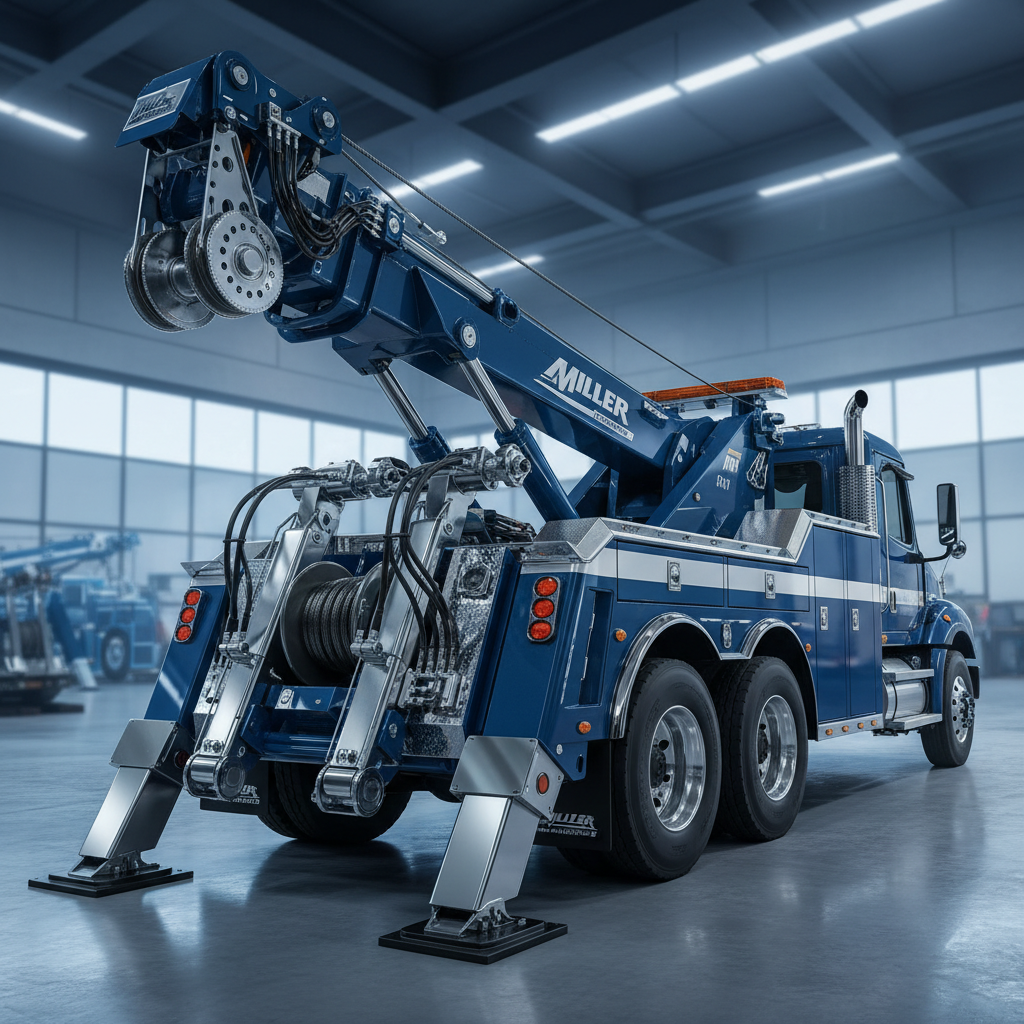
Miller 75-Ton Rotator
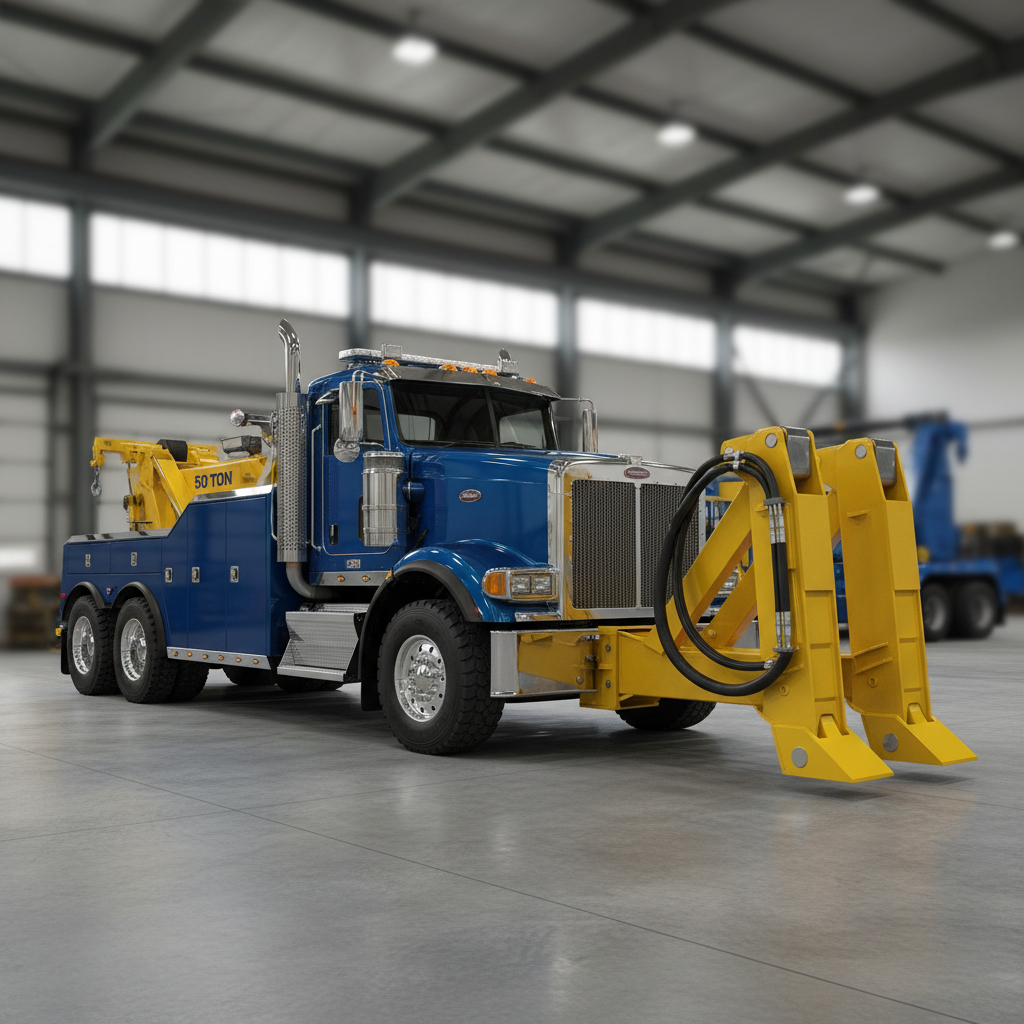
Century 50-Ton Underlift

53-ft Lowboy Trailer
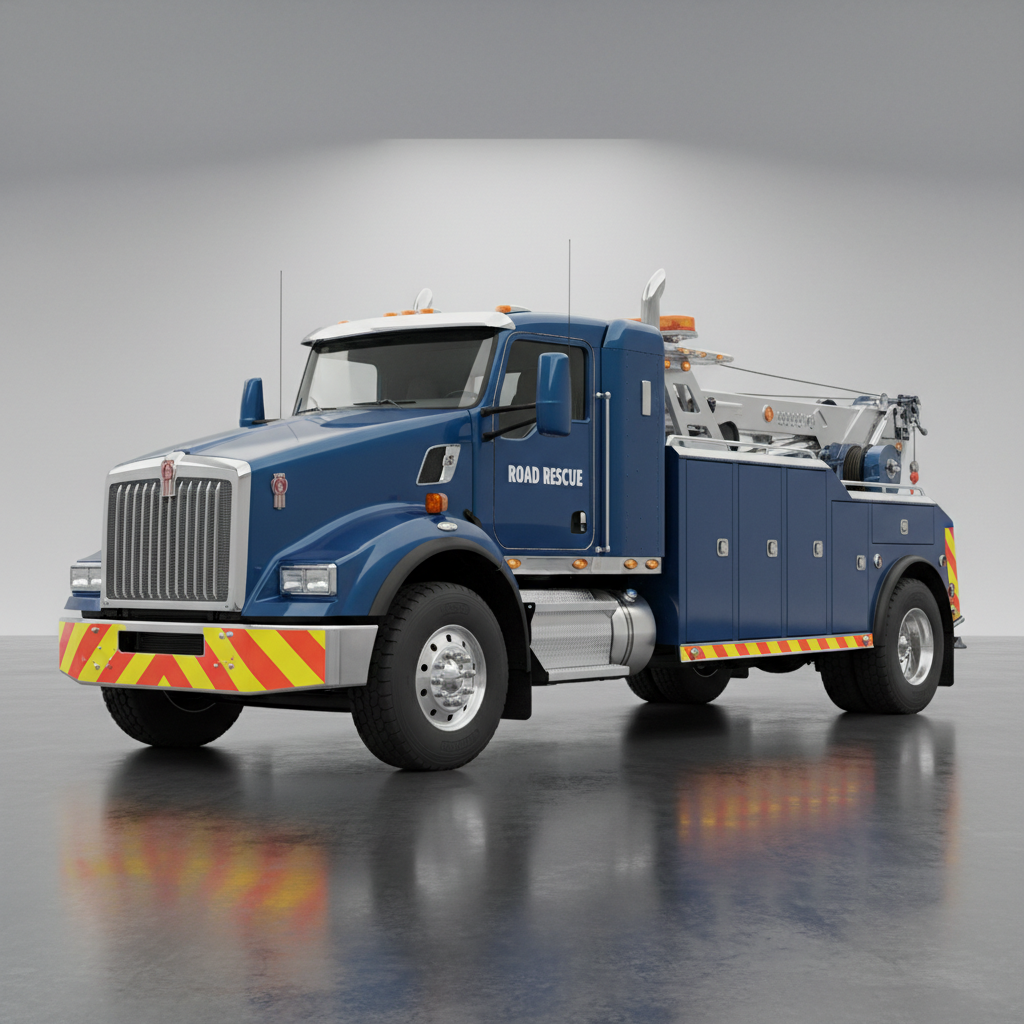
Kenworth T880 Light Wrecker
From Call to Clearance.
Every Minute Documented.
Call Received
Dispatch logs incident type, location, vehicle class, and hazmat status. GPS coordinates confirmed.
Unit Assigned
Nearest pre-positioned rotator confirmed. Operator notified. ETA broadcast to fleet manager and highway patrol.
Rolling
Rotator en route with real-time GPS tracking link sent to client. DOT incident number logged.
On Scene
Equipment deployed, scene assessment complete, outrigger plan confirmed. Recovery begins.
Lane Cleared
Vehicle uprighted or removed. Load secured. Scene swept. Highway patrol sign-off obtained.
The Record Speaks.
The Certs Confirm.
Our reefer was blocking the off-ramp at 1:45 AM. Haul had it on a lowboy by 3:20. The load was intact, the driver was fine, and the lane was open before rush hour.
I've worked with dozens of recovery contractors. None of them document the scene the way Haul does — photo logs, load cell data, the works. My adjusters actually called to compliment the file.
When a bridge strike dropped a tanker on I-40, we needed 75 tons of boom and we needed it fast. Haul was on scene in 38 minutes and cleared the structure in under two hours.
This Isn't a Category
You Comparison-Shop.
It's one you survive. When forty tons of loaded reefer blocks your off-ramp at 2 AM, the only question is whether you called a tow shop or a heavy rescue operation.